
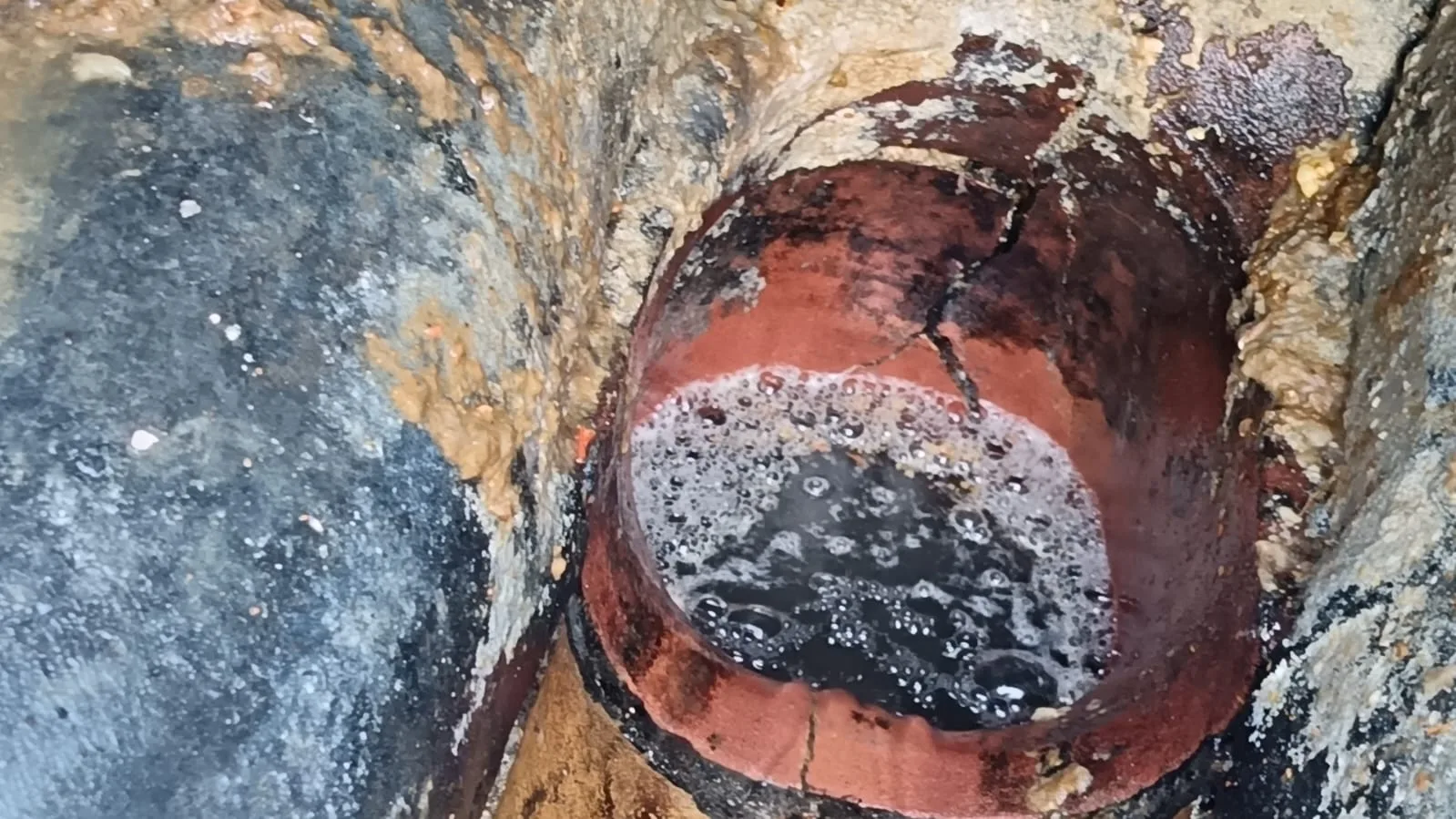
Four millimetres. That’s how much internal diameter can be lost inside an old cast iron soil pipe once limescale and rust scale build up over forty or fifty years, according to jobs we’ve filmed on CCTV in Victorian terraces from Deptford to Catford. A 100mm pipe running at 60mm bore isn’t a drain anymore. It’s a trickle. The drain descaling cost to sort that properly, on a typical UK terrace, lands somewhere between £180 and £650 depending on how bad the scaling is and what the pipe is made of – and getting that number wrong, by choosing the wrong method, can crack a pipe that’s been fine for a century.
This guide breaks the pricing down by pipe type, tells you honestly when jetting is the wrong call, and gives you the numbers to hold a contractor to. No vague “it depends” answers. Real figures, real risks.
What Affects the Price of Descaling Drains
Descaling drains price isn’t one number – it’s five variables stacked on top of each other. Get any one of them wrong and your quote is meaningless.
Pipe material. Cast iron, clay, concrete and modern uPVC all scale differently and tolerate different removal methods. Cast iron is the expensive one, because it’s often too brittle for full-pressure jetting.
Severity of the scale. A light limescale film clears in one pass. Heavy calcification that’s narrowed the bore by half needs multiple passes with a mechanical cutter, sometimes over two visits.
Access point. A rodding eye in the garden is cheap to reach. A stack buried behind a kitchen unit or under a solid floor means extra labour before the descaling even starts.
Length of run. Most quotes are based on a standard 15-metre run. Anything longer, or with multiple bends, adds time on the machine.
Method chosen. Standard jetting, mechanical descaling with a chain cutter, or a combination – each has a different day rate, and picking the cheapest one on a fragile pipe is how you end up paying for a full excavation later.
Average Drain Descaling Cost in 2026
Across the jobs we’ve quoted this year, the average drain descaling cost for a domestic property sits at £320, with a realistic price_range of £180 to £650 for most terraced and semi-detached houses. Commercial kitchens and older blocks of flats with shared cast iron stacks run higher, often £700 to £1,400, because access is harder and the pipe diameter is bigger.
For comparison, Checkatrade’s general drain unblocking guide puts a standard blockage clearance at £100 to £250, and MyJobQuote lists drain cleaning in a similar band – but descaling is a different job entirely. You’re not just clearing a blockage, you’re stripping years of mineral buildup off the pipe wall, which takes longer and uses different kit.
One property we worked on in Plumstead had a downstairs toilet that had been “slow” for six years. Turned out the 4-inch cast iron branch was scaled down to a 2-inch working bore. Descaling that one section cost £245. Waiting six years to fix it meant the family had been living with intermittent backing-up the whole time – a cheap job put off far too long.
Cost Table by Pipe Type
Here’s the breakdown that most cost guides skip. Descaling drains price varies enormously by material, and if a quote doesn’t mention what your pipe is made of, ask before you sign anything.
| Pipe Type | Typical Descaling Cost | Method Used | Notes |
|---|---|---|---|
| uPVC (modern) | £150 – £300 | Standard jetting | Handles full pressure jetting safely |
| Clay (vitrified) | £180 – £400 | Jetting or gentle mechanical | Check for cracked joints first |
| Cast iron drain descaling | £350 – £700 | Mechanical descaling (chain cutter) | Full jetting often too risky – see below |
| Concrete/asbestos cement | £300 – £600 | Low-pressure jetting | Common in 1960s-70s builds |
| Shared stack (flats/commercial) | £700 – £1,400 | Mechanical descaling + CCTV | Bigger diameter, harder access |
Limescale drain removal cost on its own – without cast iron complications – tends to sit at the lower end of these bands. It’s the corrosion and rust scale on old iron pipework that pushes the price up, because you need a machine that cuts rather than blasts.
Why Jetting a Fragile Cast Iron Pipe Can Cost You More
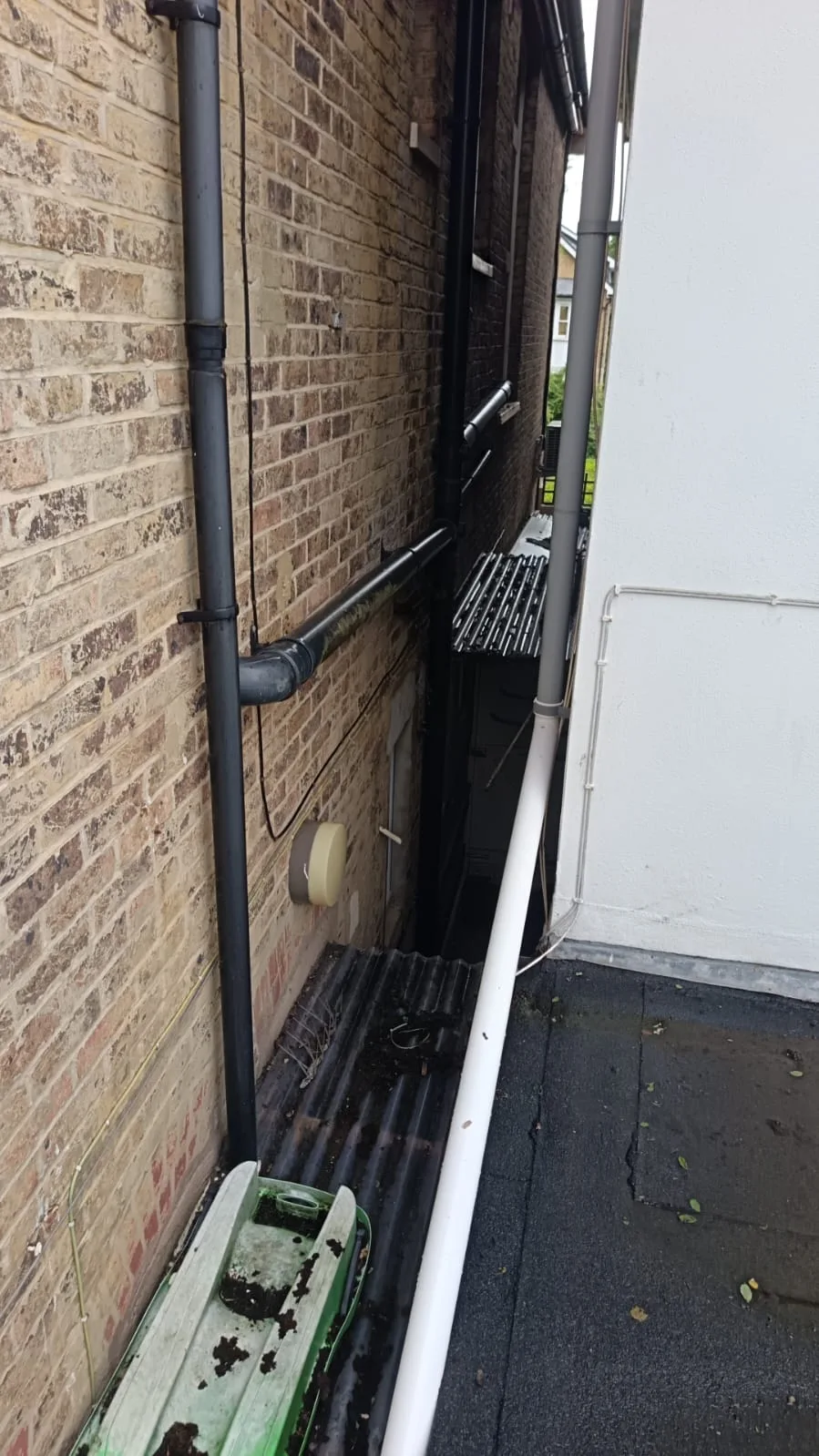
Here’s the bit most cost guides gloss over completely. Standard high-pressure jetting – the go-to method for clearing blockages – runs at anywhere from 2,000 to 4,000 PSI. Fine for uPVC. Potentially disastrous for a cast iron pipe that’s been quietly corroding from the inside for sixty years.
Rust doesn’t just narrow the bore. It thins the pipe wall from the inside out, sometimes down to a fraction of a millimetre in patches, while the outside still looks solid. Blast that with a standard jet nozzle and you can punch straight through, turning a £300 descaling job into a full pipe replacement costing thousands.
Mechanical descaling uk contractors get around this using a chain-flail or cutter head that physically scrapes the scale off the pipe wall at controlled speed, rather than relying on water pressure alone. It’s slower. It’s more expensive per hour. But on genuinely fragile cast iron, it’s the only sensible option.
We had a job in Barking a few years back where a previous contractor had jetted a scaled cast iron stack at full pressure without a CCTV survey first. The pipe failed mid-job. What should have been a £400 descale turned into a £2,800 excavation and repair. That’s the risk this whole article is trying to help you avoid.
If you’re unsure what your pipework is or how sound it is, a CCTV drain survey before any descaling work is the cheapest insurance you’ll ever buy. Ours start from around £120 and tell an engineer exactly what they’re dealing with before a machine goes anywhere near the pipe.
DIY vs Professional Drain Descaling
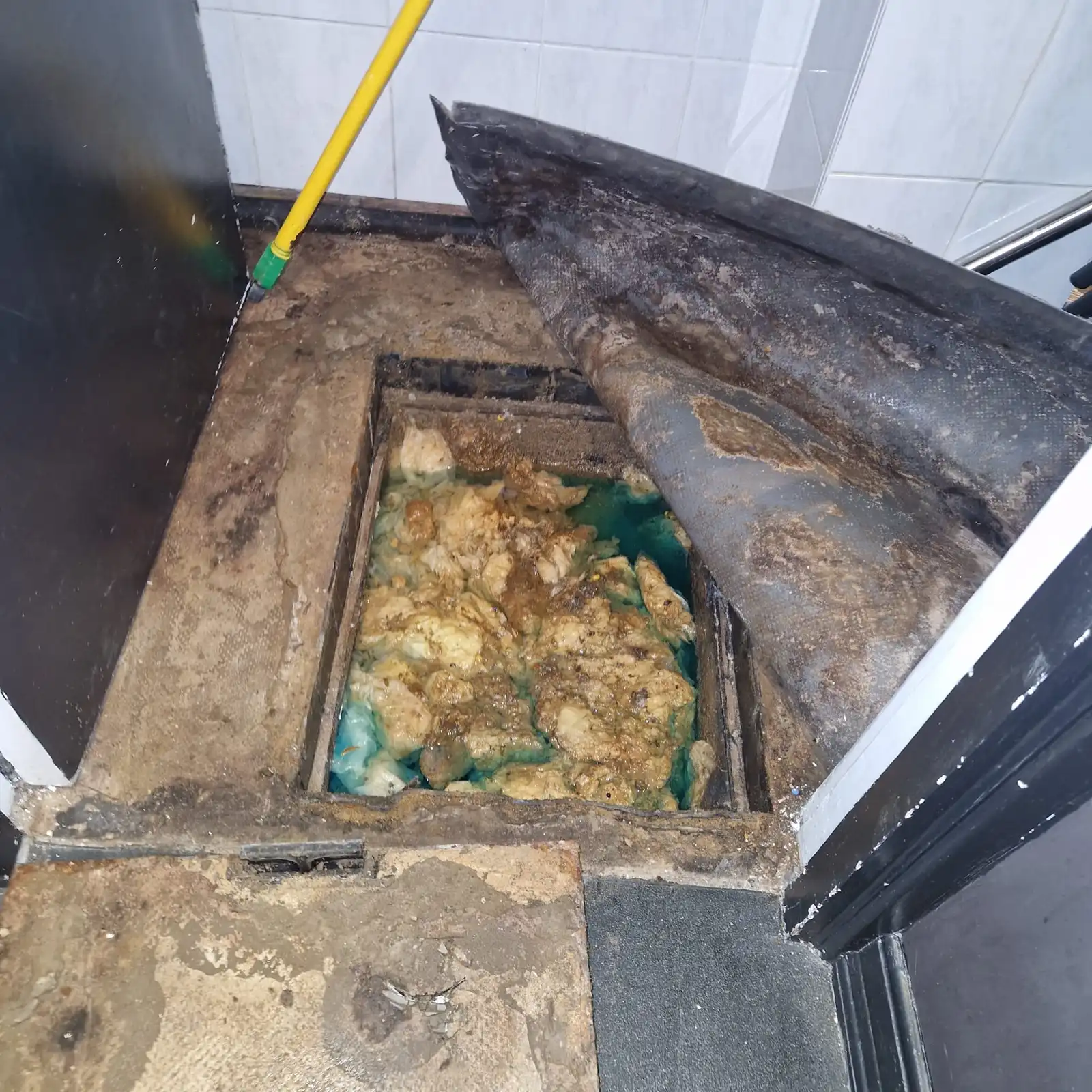
You can buy descaling chemicals and small hand-fed rods from a builders’ merchant for under £50. On light limescale in an accessible uPVC pipe, that might shift some of it.
On anything involving cast iron, or scale that’s built up over decades, DIY is close to useless and occasionally dangerous. Chemical descalers strong enough to touch old rust scale can also eat away at ageing pipe joints. Hand rods can’t apply the controlled mechanical force needed to strip calcified buildup off a cast iron wall without risking a puncture.
Professional mechanical descaling uses purpose-built kit – chain cutters, root saws, or specialist jetting nozzles matched to pipe condition – operated by someone who’s assessed the pipe first, usually via CCTV. That assessment step is the whole difference between a safe job and an expensive mistake.
Our advice, unchanged for twenty years: if the pipe is pre-1970 and you don’t know what it’s made of, don’t touch it yourself. Compare that against a standard drain unblocking cost first, because sometimes what looks like scaling is actually a simple blockage that costs far less to sort.
How to Get a Fair Quote for Descaling Drains Price
Three things separate a fair quote from an inflated one.
Ask what method they’re using and why. If a contractor quotes standard jetting on a pipe they haven’t inspected and don’t know the age of, that’s a red flag, not a bargain.
Ask for the CCTV footage. A reputable engineer will show you the scale, the pipe material, and the wall condition before recommending mechanical descaling over jetting, or vice versa.
Get the price in writing, itemised. Survey cost, descaling cost, and any contingency for damage found mid-job should be separate line items, not one vague lump sum.
Water UK, the industry body representing water companies across the country, has consistently flagged fat, wipes and scale buildup as one of the leading causes of blocked sewers nationally – which tells you this isn’t a niche problem, it’s a routine one, and pricing should reflect a routine, well-understood job, not guesswork.
If you want a second opinion before committing, book an inspection with our drain unblocking team and we’ll tell you straight whether you’re looking at a simple clean or something that needs the mechanical approach.
What This Looks Like on a Real Terraced House
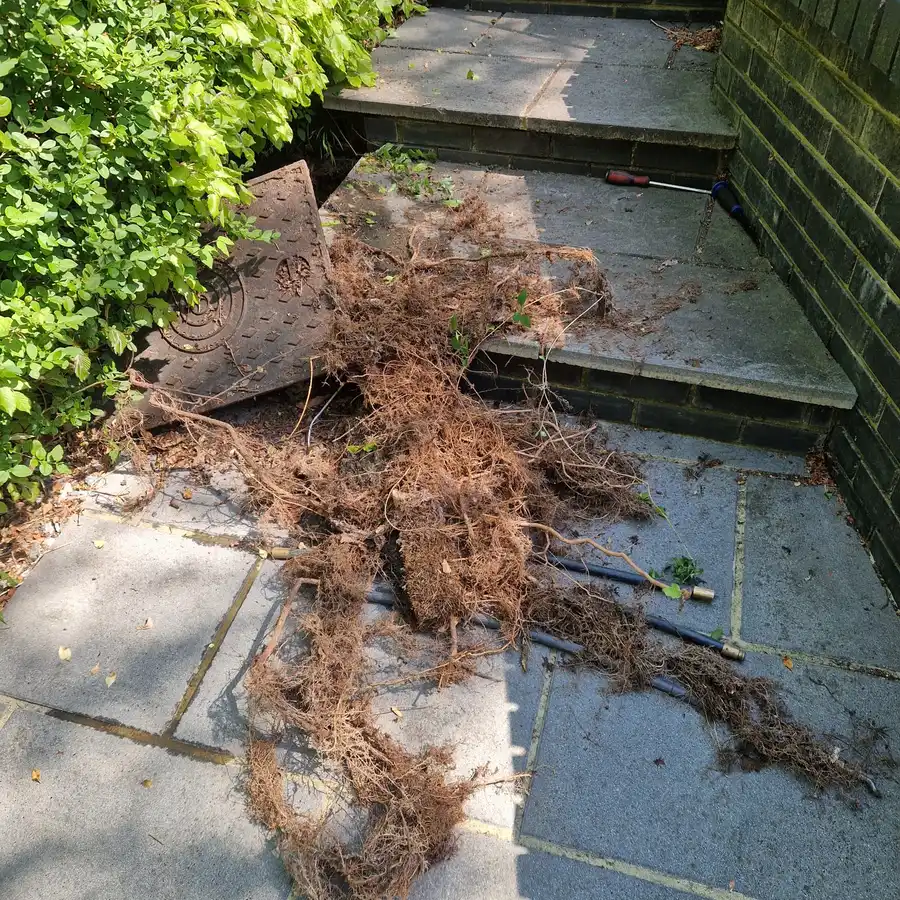
A three-bed terrace in Bermondsey, cast iron stack, built in 1928. Slow-draining bath, gurgling toilet, the classic signs. CCTV survey showed heavy scale over an 8-metre run with two sections down to roughly 55% of original bore.
Mechanical descaling with a chain cutter, done in sections to protect the thinner areas identified on camera: £480. No jetting used at all on the worst section. Job took just under four hours across a morning.
Compare that to a semi-detached in Golders Green with modern uPVC pipework and light limescale from hard water – standard jetting, one pass, £165. Same symptom on the surface. Completely different pipe, completely different price.
Frequently Asked Questions
Is drain descaling the same as drain unblocking?
No. Unblocking clears a single obstruction – fat, wipes, roots. Descaling strips built-up mineral and rust deposits off the entire pipe wall along a run, which is a longer job usually priced separately, as covered in our drain unblocking cost guide.
Why is cast iron drain descaling more expensive than other pipes?
Because standard jetting can be too risky on thinned, corroded cast iron, contractors use slower mechanical cutting methods instead, which cost more per hour but avoid puncturing a fragile pipe wall.
How do I know if my pipe is too fragile to jet?
You don’t, not without a CCTV survey. Checkatrade and MyJobQuote both recommend inspection before invasive work on older pipework, and it’s the same advice we give every customer with a pre-1970s system.
What I’d Do If This Were My House
Straight answer: I’d get the CCTV survey first, every time, no exceptions, if the house is older than about 1970 or I didn’t know what the pipe was made of. It costs a bit more upfront. It saves you from the £2,800 Barking scenario. Then I’d ask for mechanical descaling on anything cast iron, no matter how tempting the cheaper jetting quote looks – because the cheap quote assumes nothing goes wrong, and on old scaled iron, something usually does.
If you’re dealing with slow drains, gurgling, or you’ve just found out your house has original cast iron stacks, book an inspection with our team before anyone puts a jet or a cutter anywhere near that pipe. We’ll tell you honestly what it needs and what it’ll cost – no inflated quotes, no guesswork.
Understanding drain descaling cost early helps you budget and avoid bigger repair bills later.
