
A drain that’s been jetted four times in two years has cost you roughly £900 and fixed nothing. That’s the maths nobody tells you at the first call-out. The crack, the root ingress, the offset joint — it’s still there, waiting for the next heavy rain to back the whole run up again. Relining it properly would have cost £1,200 to £2,500 and lasted 50 years. This is the calculation this guide is built around.
Jump to:
- Average drain relining cost in 2026
- Cost table by pipe type and length
- DIY vs professional — and the break-even point
What Actually Affects the Price?
Relining isn’t priced like a boiler service, flat and predictable. It’s priced per metre, and the metre rate swings hard depending on four things: pipe diameter, depth, access, and how badly the pipe is damaged before the liner goes in.
A 100mm domestic soil pipe running 6 metres under a lawn in Guildford is a different job entirely to a 225mm shared drain running 15 metres under a driveway in Hackney with a manhole that’s been paved over. The second one needs more resin, more curing time, and probably a chamber excavation just to get the CCTV camera and liner rig in position.
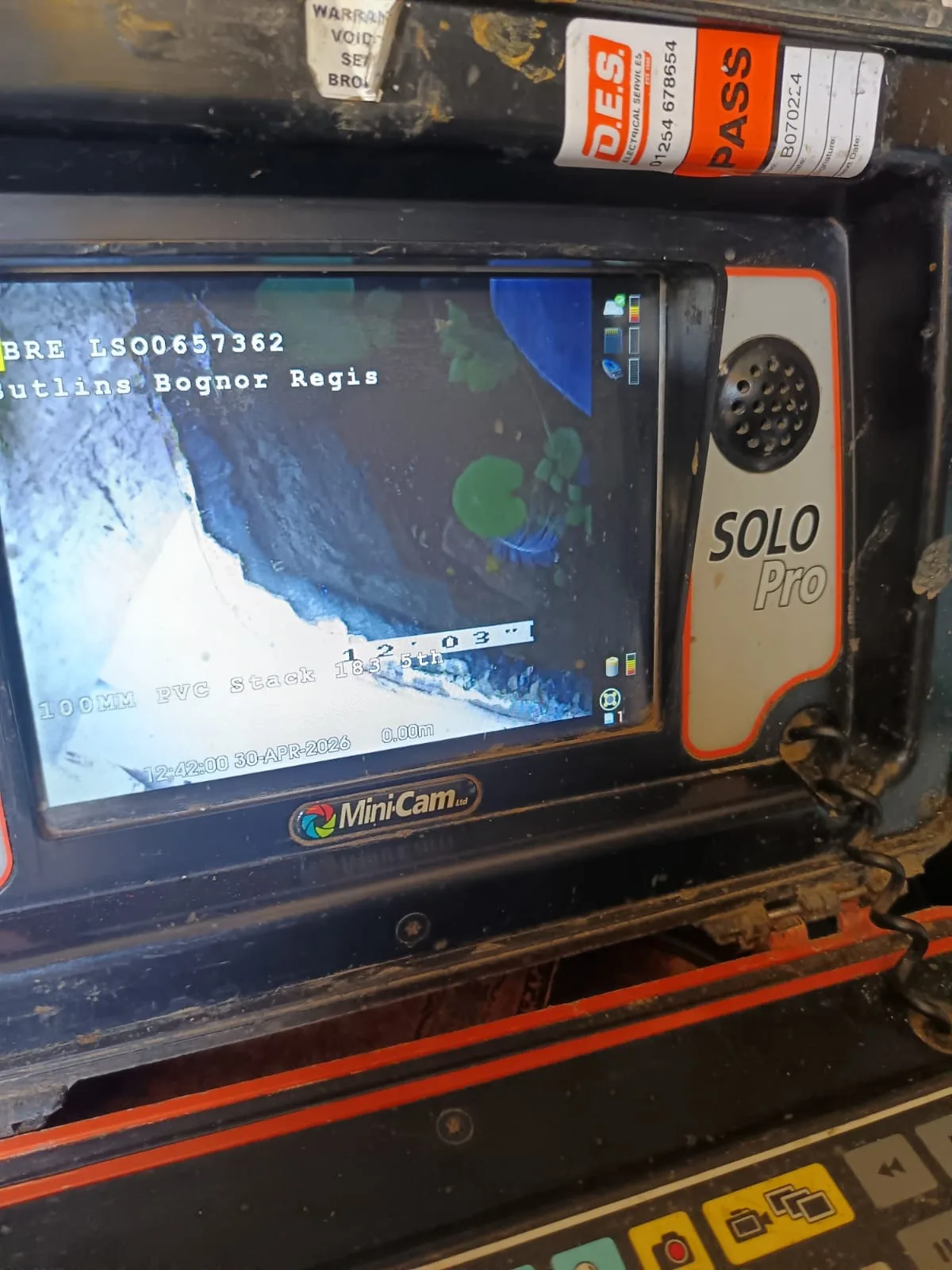
Depth matters more than most people expect. Anything past 1.2 metres down usually means a full CCTV drain survey first, not just a quick camera poke through the nearest gully. Engineers need to map exact bend positions, joint gaps and root intrusion points before quoting, because a liner has to be cut and cured to match the pipe’s actual condition, not a guess.
The state of the pipe itself changes the price too. A hairline crack in an otherwise sound 4-inch clay pipe is a straightforward single-liner job. A pipe that’s oval, collapsed in one section, or has three separate root masses through it might need patch repairs first, or in the worst cases isn’t a relining candidate at all — you’re back to excavation.
Access is the quiet cost driver everyone forgets. If the drain run has a manhole at both ends and reasonable clearance, a two-person crew can do a domestic reline in a day. If it’s under a extension, a patio, or a tree root system, add a day and add several hundred pounds in labour alone.
What’s the Average Drain Relining Cost in 2026?
For a typical UK household, drain relining cost sits between £150 and £300 per metre for domestic pipework, once you include the CCTV survey, liner material, resin, and curing.
A full domestic job — say an 8 to 10 metre run from the house to the boundary — usually lands between £1,200 and £3,000 total. That’s the figure Checkatrade and MyJobQuote both circle around too, and it lines up with what we’re quoting on site week to week across 2026.
Shorter localised patch liners, used to fix a single cracked section rather than the whole run, cost less — often £400 to £800 for a 1 to 2 metre patch, because there’s less resin and less curing time involved.
Commercial and larger-diameter jobs move the number substantially. A 225mm shared drain under a car park, or a run serving multiple properties, can run £300 to £500 per metre once you factor in traffic management, larger liner diameters, and often a requirement for the water company or local authority to sign off the work.
Compare that to full excavation, which for the same 8-10 metre domestic run typically costs £3,500 to £8,000 once you add reinstatement of the driveway, patio or garden on top. That gap is the entire argument for relining. You’re not paying for a hole in your garden and a new patio afterwards — you’re paying for a resin sleeve that goes in through the existing access points.
Drain Relining Cost Table by Pipe Type and Length (2026)
This is the table most homeowners actually want — what does it cost per metre, by pipe size, and what does a realistic full job come to. Numbers below are inclusive of survey, liner, resin and standard access, not including major excavation if it’s needed for a collapsed section.
| Pipe Type / Diameter | Cost per Metre | Typical Full Job (8-10m) |
|---|---|---|
| 100mm domestic soil pipe | £150 – £220 | £1,200 – £2,000 |
| 150mm domestic/light commercial | £180 – £280 | £1,600 – £2,600 |
| 225mm shared/commercial drain | £300 – £500 | £2,800 – £5,000 |
| Patch liner (1-2m section) | Flat rate | £400 – £800 |
| Full excavation and replace (comparison) | £350 – £700 | £3,500 – £8,000 |
Water UK, the industry body for the water and wastewater sector, notes that lining technology has become the standard first option for structural drain defects precisely because it avoids the disruption and reinstatement costs of digging — worth reading if you want the engineering side of why this method took over from excavation as default (water.org.uk).
DIY vs Professional: Where’s the Break-Even Point?
There is no DIY version of drain relining. Full stop. The resin liners used in cured in place pipe cost calculations require controlled curing — usually with hot water or UV light — and specialist inversion equipment to push the liner through the pipe without kinking it. Get the cure wrong and you’ve got a liner that delaminates in six months, and now you’re paying twice.
What homeowners can legitimately compare themselves is the repeat-jetting-versus-relining maths. Here’s the actual break-even calculation, using real 2026 numbers.
A standard emergency jetting call-out for a recurring blockage runs £120 to £250 depending on region and access — see our full breakdown on the drain unblocking cost page. If you’re calling that out twice a year because a cracked pipe keeps trapping debris and roots, that’s £240 to £500 annually, forever, because jetting clears the symptom, not the crack.
Over five years, that’s £1,200 to £2,500 in repeat call-outs. Over ten years, £2,400 to £5,000. Compare that to a one-off drain relining cost of £1,200 to £2,000 for the same domestic pipe, and the break-even point typically arrives somewhere between year three and year five, depending on how often the blockage recurs.
If you’re only jetting once every two or three years and it’s genuinely clearing the problem, relining probably doesn’t pay for itself as quickly and you might be better holding off. But if you’re on first-name terms with the same engineer because the same manhole keeps backing up, you’re past break-even already and just haven’t done the sum.
No dig drain repair price also needs weighing against full dig-up cost, not just against jetting. Excavation at £3,500-£8,000 for reinstating a patio or driveway on top makes relining look like the obvious choice for anything under a hard surface — which, in most UK terraces and semis, is exactly where the drain run sits.
How Do You Get a Fair Quote for Pipe Relining UK Wide?
Ask for the CCTV survey footage before you agree to anything. Any reputable firm quoting pipe relining UK wide will have filmed the pipe first — if they’re quoting blind off a description of “it keeps blocking”, walk away.
Get the quote broken down by metre, not as a single lump figure. That way you can compare it against the table above and know whether £2,400 for a 10-metre run is fair (it’s at the low-to-mid end) or steep (anything over £3,000 for a straightforward 100mm domestic run wants explaining).
Check whether the price includes reinstatement of the access chamber cover and any patio slabs lifted to reach it. This is the classic hidden extra — the liner price looks great until you’re billed separately for “making good”.
MyJobQuote’s cost guides make the same point about getting itemised quotes rather than round-number estimates, and it’s good practice across drainage work generally, not just relining (myjobquote.co.uk). Checkatrade’s guidance on vetting drainage contractors is worth a read too before you sign anything (checkatrade.com).
And get at least two quotes. Drain lining cost varies more between companies than almost any other trade we see, because the material and labour components are genuinely hard to compare without a breakdown in front of you.
Is It Worth Booking a Drain Relining Survey Now?
If you’ve had two or more blockages on the same run in the last 18 months, yes. That pattern almost always means a structural issue, not a one-off blockage from wipes or fat.
Book an inspection before the next jetting call-out rather than after. A CCTV survey costs a fraction of another emergency visit and tells you definitively whether you’re looking at a £180/metre reline or something that clears with a standard jet and nothing more.
Homeowners in areas with older Victorian clay pipework — plenty of it in London boroughs including our work near Barkingside and Acton — tend to see root ingress and joint displacement long before the pipe visibly collapses. Catching it at the crack stage rather than the collapse stage is the difference between a £1,500 reline and a £6,000 dig.
What is the average drain relining cost for a UK semi-detached house?
Most semi-detached properties need 8 to 12 metres of relining from the house to the boundary, putting the typical total between £1,400 and £2,800, depending on pipe diameter and access.
How long does cured in place pipe last?
A properly installed CIPP liner is rated for around 50 years, matching or exceeding the lifespan of the original clay or concrete pipe it’s lining.
Is drain relining cheaper than digging up the pipe?
Almost always, once you include reinstatement. Excavation for a domestic run typically costs £3,500 to £8,000 including patio or driveway repair, against £1,200 to £3,000 for relining the same length.
Can every damaged drain be relined?
No. Fully collapsed sections, severely offset joints, or pipes that have lost their round shape usually need excavation first, or a localised dig-and-patch before a liner can be cured in place.
Does home insurance cover drain relining?
Sometimes, if the damage stems from a insured event like subsidence or a burst pipe. Wear and tear or root damage is rarely covered, so check your policy wording before assuming it’s included.
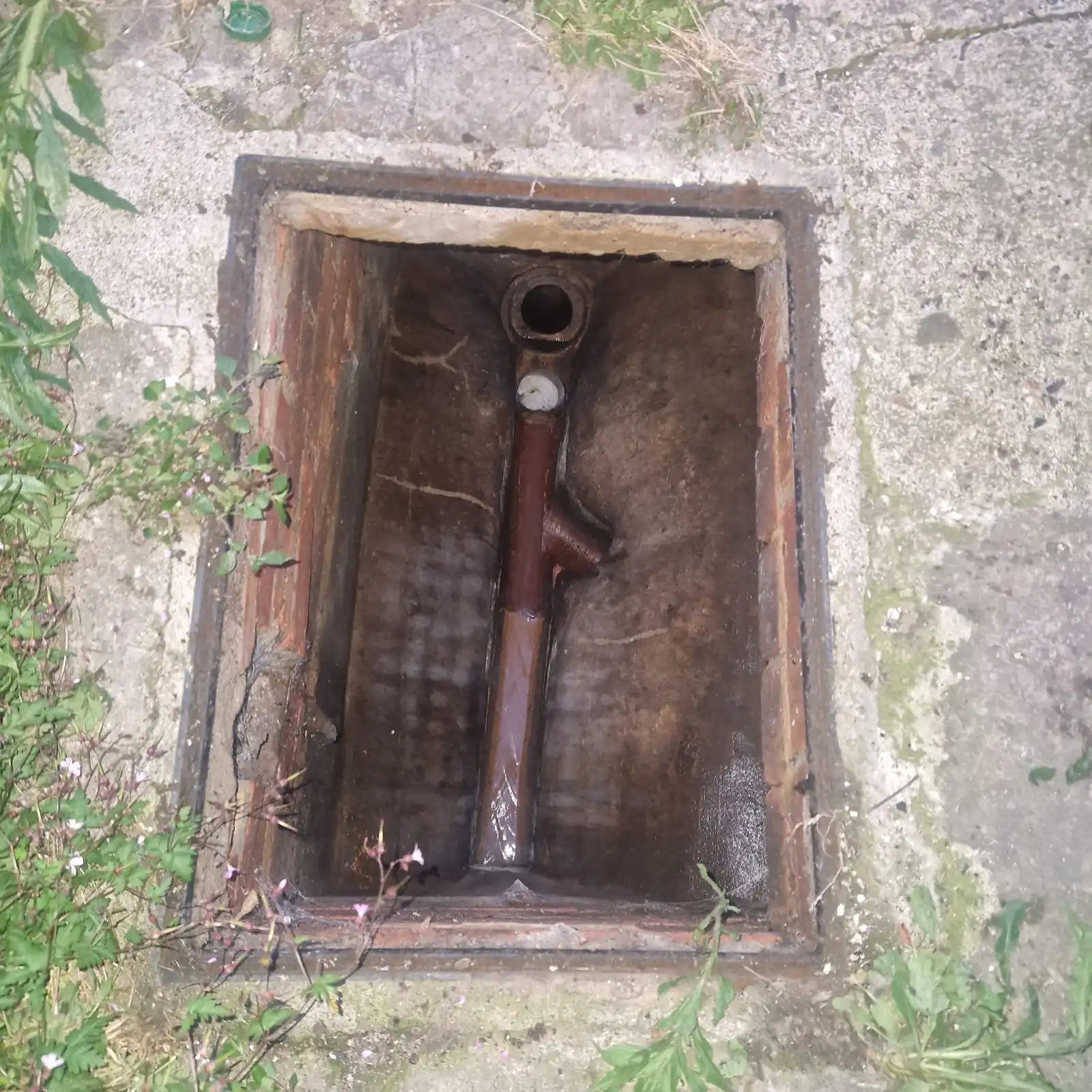
Recurring blockages, a damp patch on the lawn that won’t dry out, or a survey report mentioning “fracture” or “displaced joint” — any of these is your cue to stop paying for jetting and start pricing relining properly. We’ve quoted jobs from £180/metre in straightforward runs up to £480/metre where access meant lifting a section of patio first, so the honest answer is always: get the pipe on camera before you get a number.
If your drain has been playing up on and off for a year or more, book a CCTV inspection with our engineers through the drain unblocking service hub, or head straight to our contact page to arrange a survey — including cover for households near Eastbourne BN21, Bethnal Green E2, and near Billingshurst RH14. Get the camera down the pipe before you spend another penny guessing.
Understanding drain relining cost early helps you budget and avoid bigger repair bills later.
