
How to Unblock a Toilet: The Method Engineers Actually Use
Three in the morning, water creeping over the bowl rim, and the plunger’s at your mate’s house because you lent it to him in June. This happens more than you’d think. Knowing how to unblock a toilet without panicking is one of those skills nobody teaches you until you’re stood there in your pyjamas with a bucket in one hand and a headtorch in the other.
I’ve been called out to more blocked toilets than I can count over twenty years in this trade, and maybe one in five callers had actually tried anything before ringing me. The rest just watched the water rise and hoped. It doesn’t need to go that way. There’s a proper no-plunger method for the emergency, and a correct plunger technique for everything after — and I’ll give you both, plus the stuff nobody tells you about why it keeps coming back.
What You Will Need
You don’t need a van full of kit. Most blockages clear with things already under your sink.
- Washing-up liquid — a generous squeeze, not a token dribble
- A bucket of hot (not boiling) water — boiling water can crack the porcelain bowl
- Rubber gloves — non-negotiable, this is not a bare-hands job
- A plunger — specifically a flange or “toilet” plunger, not the flat sink cup version
- Old towels or newspaper — for the floor, because this rarely stays tidy
- A wire coat hanger or drain auger (optional) — for stubborn blockages further down
That’s genuinely most of it. If you’ve only got the washing-up liquid and hot water, you can still clear a surprising number of blockages before you ever touch a plunger.
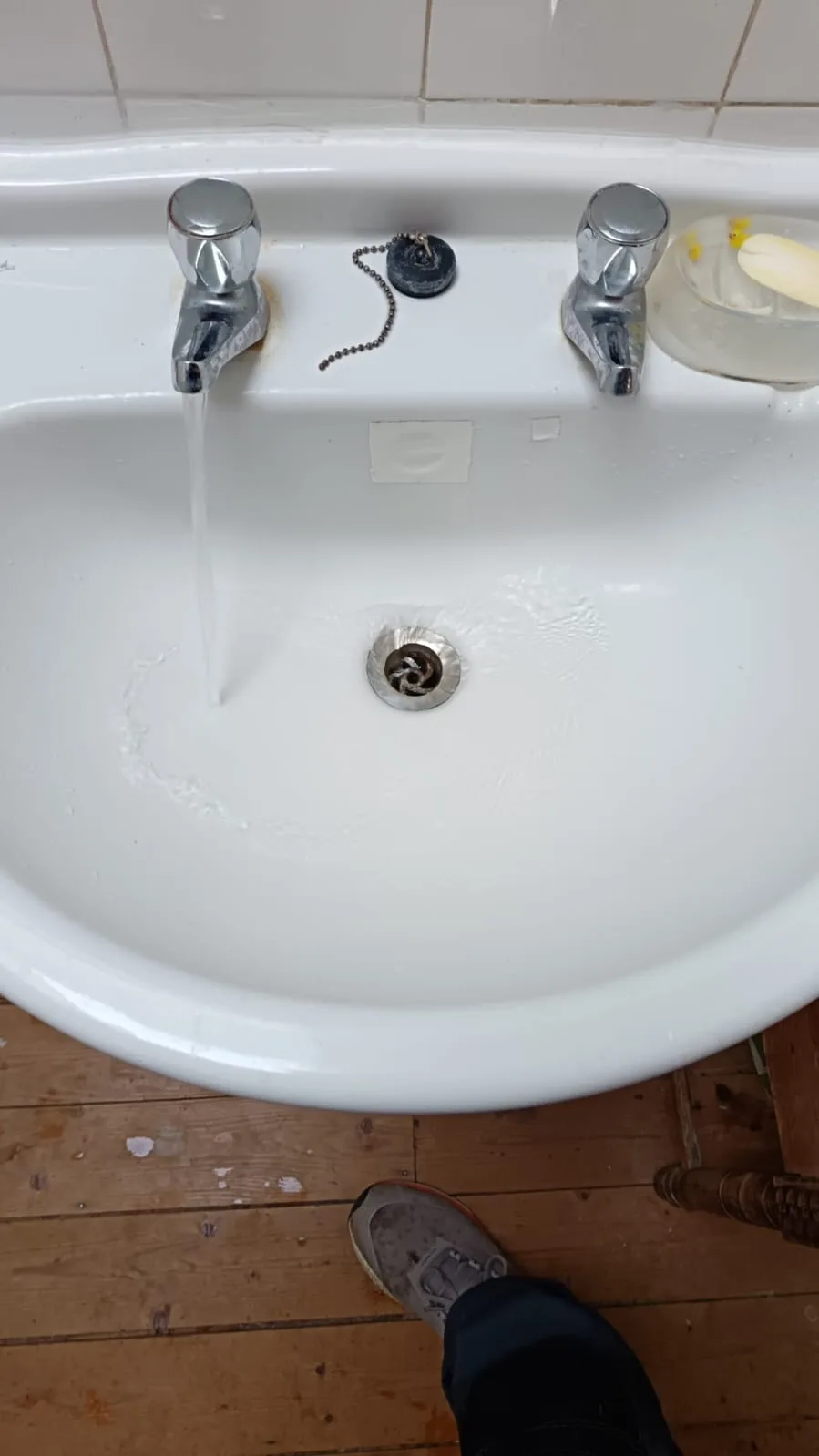
Step-by-Step Method: How to Unblock a Toilet Without a Plunger
This is the method I talk people through on the phone most often, because most households don’t own a proper flange plunger. It works on soft blockages — paper, waste, the usual culprits — not on solid objects lodged in the trap.
Step 1: Stop flushing, immediately
Every flush adds more water to a bowl that’s already struggling to drain. If the water’s close to the rim, don’t touch the handle again. Let it settle for ten minutes.
Step 2: Squeeze in washing-up liquid
A good few squirts, straight into the bowl. It works as a lubricant and helps break the surface tension around whatever’s stuck. Leave it fifteen to twenty minutes if you can stand the wait.
Step 3: Add hot water from waist height
Pour a bucket of hot (kettle-hot is fine, not straight-off-the-boil) water into the bowl from about waist height. The force and heat combined often shift the blockage on their own. Don’t pour it from a stepladder — that’s not bravado, that’s a cracked bowl waiting to happen.
Step 4: Watch the water level
If it starts dropping, you’re winning. Give it a few minutes, then try a small test flush. If it drains normally, you’re done. If it’s still sluggish, repeat steps 2 and 3 once more before moving to the plunger.
I had a call from a woman in Croydon a couple of years back — teenage son, wet wipes, the usual story. Washing-up liquid and two buckets of hot water cleared it in under fifteen minutes. No plunger needed, no callout fee. That’s the outcome you’re aiming for every time.
Step-by-Step Method: How to Unblock a Toilet With a Plunger
If the no-plunger method hasn’t shifted it after two attempts, it’s time for proper mechanical force. This is where most people go wrong — not because plunging is hard, but because they use the wrong plunger or the wrong technique.
Step 1: Get the right seal
A flange plunger has an extra rubber flap that folds out from the main cup and sits down into the toilet outlet. This creates a proper seal — a flat sink plunger just won’t grip a curved bowl properly.
Step 2: Make sure there’s enough water to cover the cup
The plunger needs to push water, not air. If the bowl’s low, top it up before you start.
Step 3: Push in gently first
Ease the plunger in slowly to force air out the first time — a hard first push just sprays dirty water everywhere. After that first gentle push, go firm.
Step 4: Plunge with rhythm, not force
Fifteen to twenty firm, steady strokes, keeping the seal tight against the bowl. It’s the pull-back that shifts the blockage as much as the push — most people forget that part.
Step 5: Test with a flush
Break the seal, stand back, and flush. If the water drains at a normal pace, you’ve cleared it. If nothing’s changed after two full rounds of plunging, stop — you’re now into “something’s stuck further down” territory.
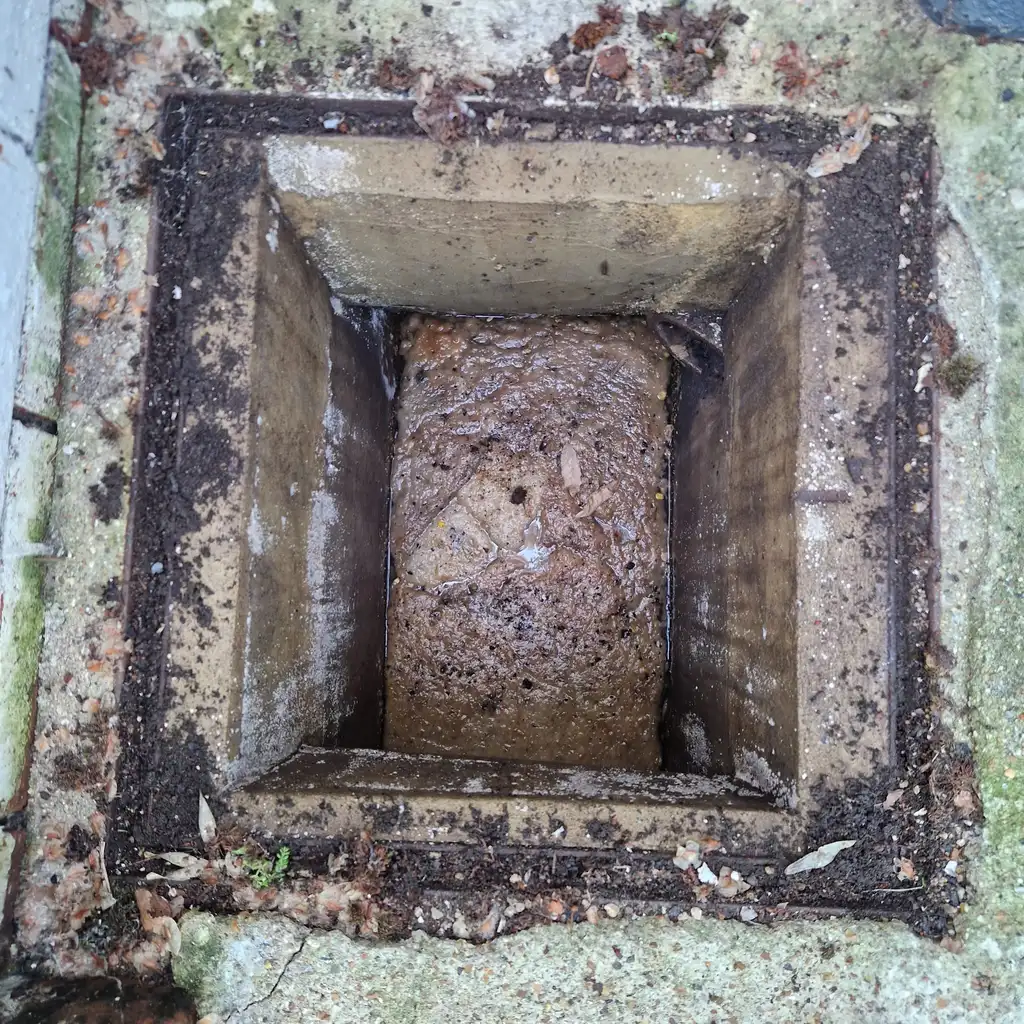
A landlord I did some work for in Reading rang me convinced his tenant’s toilet needed a new soil pipe. Turned out it was a nappy, wedged just past the trap, that no amount of plunging was ever going to shift. Twenty minutes with a hand auger and it was out. Not every blockage responds to force — some need something with a bit more reach.
When to Stop and Call a Pro
There’s no medal for persistence here. Stop and get help if:
- You’ve plunged properly twice and the water level hasn’t moved at all
- Water is backing up into the bath or sink when you flush — that’s a sign the blockage is in the main drain, not the toilet itself
- You can smell sewage in the house, which points to a vent or trap issue beyond a simple clog
- The toilet is the only one in the house and you can’t afford to leave it broken overnight
- You suspect something solid and non-flushable is genuinely stuck (kids’ toys are a classic)
If the blockage sits beyond the toilet itself, our guide on how to unblock a drain covers the wider system, including outside gullies and inspection chambers. And if you want a realistic figure before anyone turns up, our page on drain unblocking cost breaks down what a callout typically runs to in the UK — most straightforward toilet blockages clear for far less than people expect, often between £80 and £150 depending on the region and time of day.
For anything you’re not confident tackling yourself, get in touch through our contact page and we’ll talk you through it before booking anyone out — sometimes a five-minute phone conversation saves you the callout entirely.
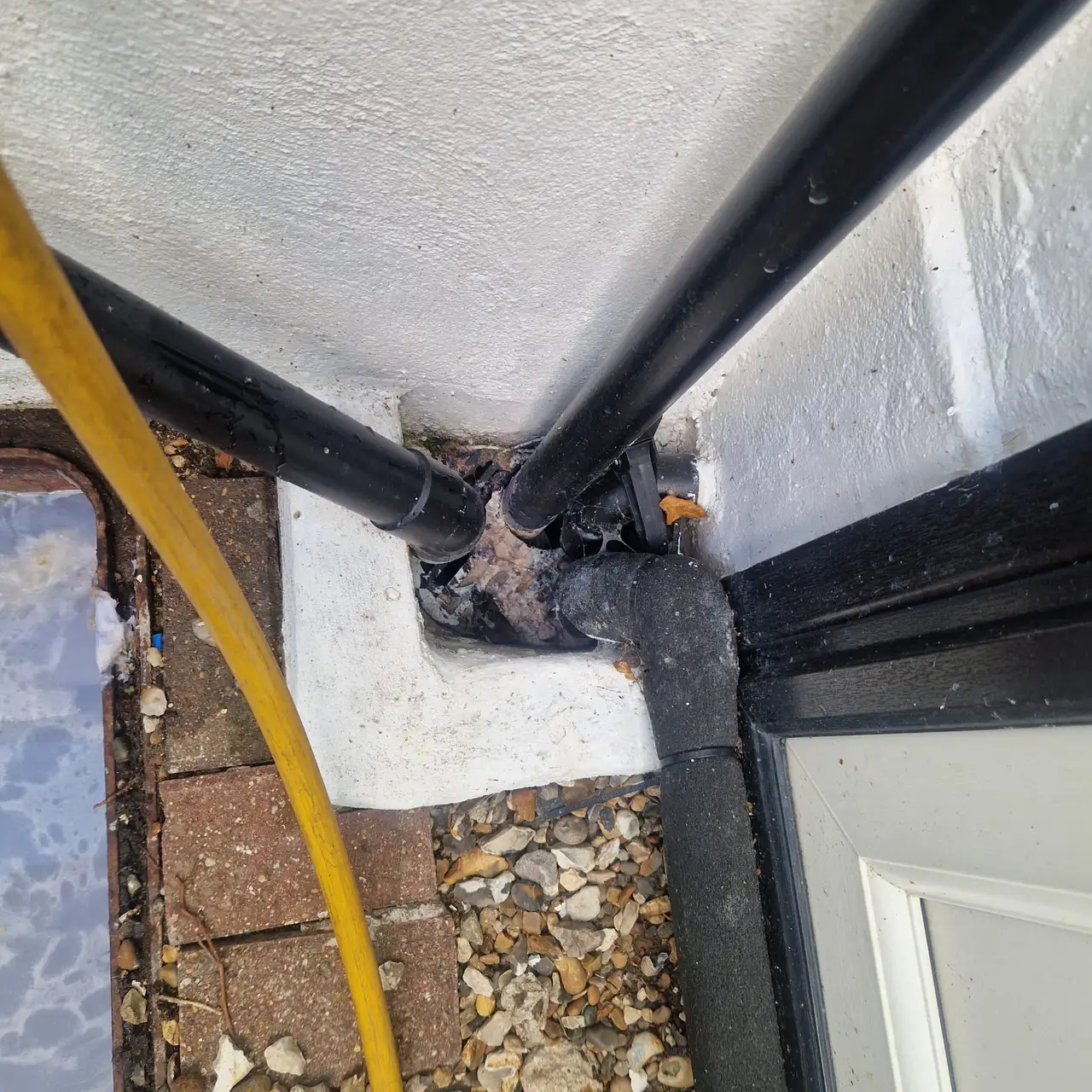
How to Prevent It Next Time
Nearly every blocked toilet I’ve attended traces back to one of these:
- Wet wipes — including ones labelled “flushable.” Water UK has campaigned on this for years because wipes simply don’t break down like toilet paper does, no matter what the packet claims.
- Nappies and sanitary products — bulky, absorbent, and built to hold their shape. That’s the opposite of what a drain needs.
- Kitchen roll and cotton pads — thicker than loo roll and slower to disintegrate.
- Cat litter — even the “flushable” varieties can clump and set like concrete in the pipe.
- Excess toilet paper in one go — a common one in guest bathrooms after a big family gathering.
The advice from bodies like WRAS and the CIPHE is consistent on this: only pee, poo and paper should ever go down a toilet. Everything else belongs in a bin, however convenient the flush feels in the moment.
If you’ve got an older low-flush toilet — common in flats built in the 90s and early 2000s — you’re more prone to blockages because there’s simply less water pressure clearing the pan each time. Worth knowing before you assume it’s always about what’s being flushed.
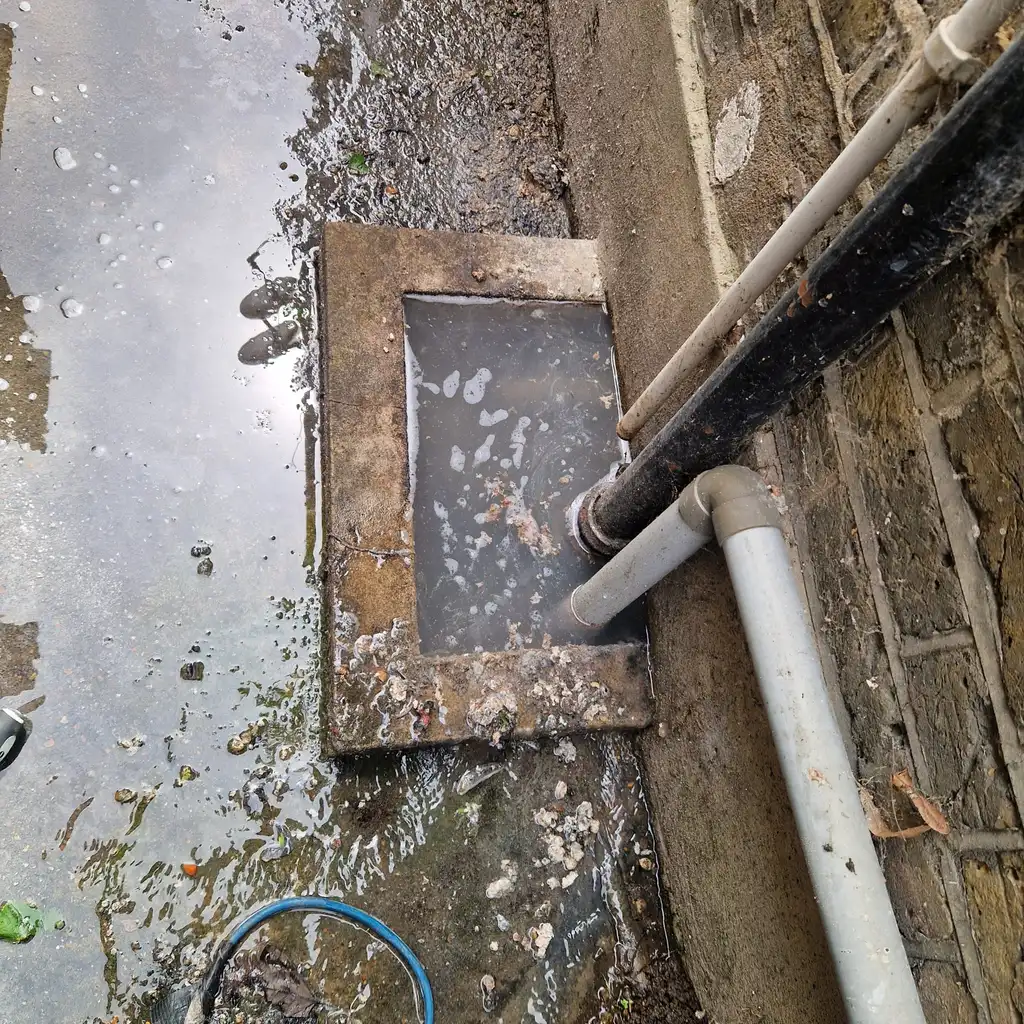
If you’re renting or living somewhere with shared drainage — blocks of flats especially — a blockage often isn’t really “yours” at all. We’ve cleared plenty in Balham, and similar patterns crop up in Bethnal Green — old shared stacks that were never designed for modern flushing habits, wipes included.
Frequently Asked Questions
Can I use bleach to unblock a toilet?
Don’t. Bleach doesn’t break down solid blockages and mixing it with certain other cleaning products can produce dangerous fumes. Stick to washing-up liquid and hot water, or a proper plunger.
Why does my toilet keep blocking even though I don’t flush wipes?
Check the toilet’s age and flush strength first — older low-flush models struggle with even normal amounts of paper. It’s also worth checking further down the line; a partial blockage in the drain run can make the toilet look like the problem when it’s actually downstream, which is where our guide on how to unblock a drain becomes useful.
Is it safe to use a drain snake or auger in a toilet?
Yes, but use a toilet-specific auger with a plastic-coated tip, not a metal drain rod, which can scratch or crack the porcelain. If you’re not confident, this is exactly the point to call in an engineer rather than risk the bowl.
The Real Cost-Saving Takeaway
Here’s the honest maths: a callout for a simple toilet blockage typically runs somewhere between £80 and £180 in the UK depending on your location and whether it’s an emergency out-of-hours visit. The washing-up liquid and hot water method costs you nothing and clears a genuine majority of household blockages on its own. Learning how to unblock a toilet properly, both ways, is maybe the cheapest plumbing skill you’ll ever pick up — and it saves you from the 2am panic call every single time it works.
If it doesn’t work, though, don’t keep pouring water in and hoping. Ring us via our contact page and we’ll get someone to you who can clear it properly the first time, whether that’s a straightforward pan blockage or something further down affecting the whole line — we cover jobs like this regularly, including recent call-outs near Lewes and Biggin Hill.
Published July 2026. Last updated July 2026. Written by a time-served drainage engineer at Drain Cleaning Solution, drawing on two decades of UK domestic and commercial callouts.
Understanding how to unblock a toilet early helps you budget and avoid bigger repair bills later.
