
Rain hammering down, the gully by your back door gurgling like a bad stomach, and a puddle of grey water creeping towards the patio doors. That’s the moment most people first Google this. It’s usually a Sunday evening, the shops are shut, and every drainage firm within twenty miles suddenly wants an emergency call-out fee.
Here’s the good news: a straightforward blockage on your own pipework is often something you can shift yourself with a few pounds of kit from the local hardware shop. The bad news is that a fair chunk of “blocked outside drains” aren’t actually your problem to fix at all — they belong to the water company, and no amount of rodding will touch them. Knowing how to unblock an outside drain properly means knowing both halves of that story.
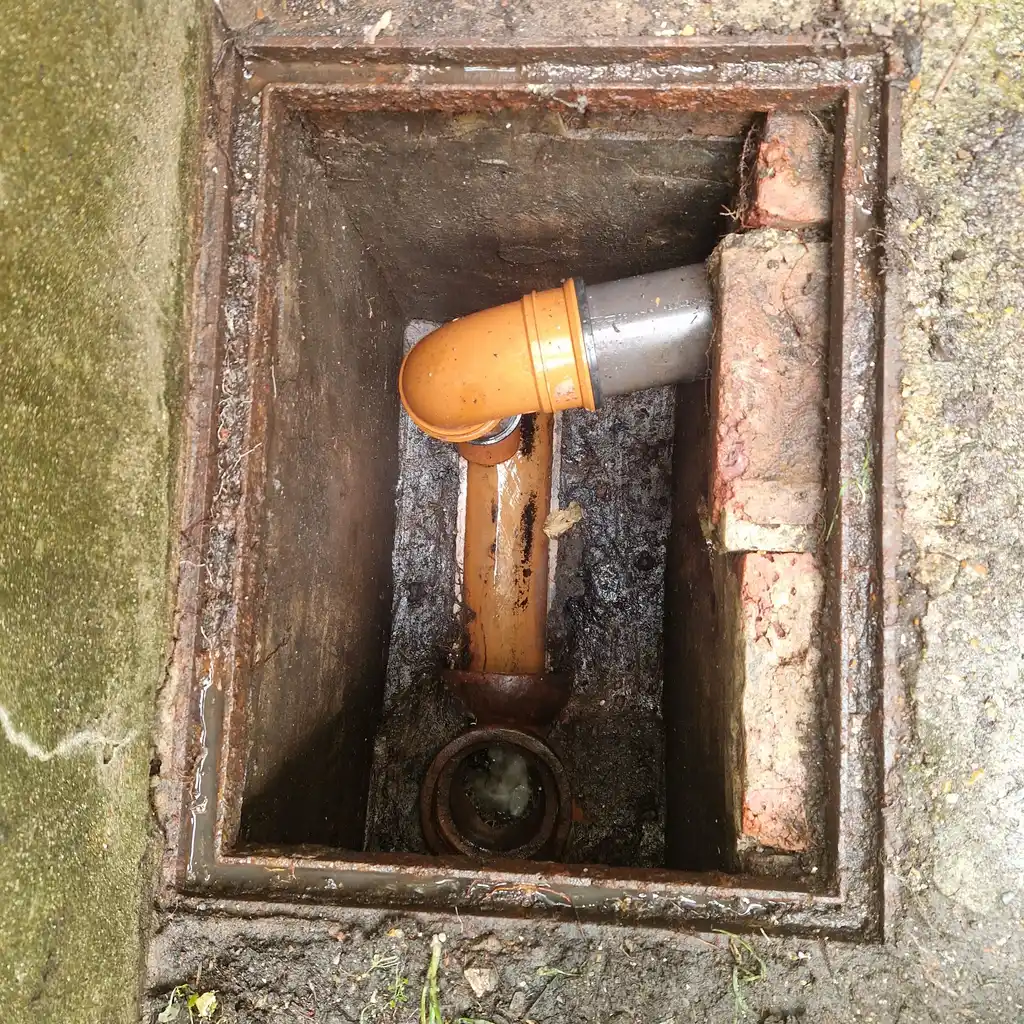
What You Will Need: How to unblock an outside drain
You don’t need a van full of gear. Most external blockages respond to five or six cheap tools, all of which you can pick up from a builders’ merchant for under £40 combined.
- A flat-head screwdriver or drain key – to lift the cast iron or plastic gully cover without cracking it.
- Rubber gloves, and I mean proper ones – gardening gloves won’t cut it once you’re elbow-deep in silt.
- A drain rod set – the standard 1m sections with a plunger, corkscrew, and worm screw attachment. Around £25–£35 from most hardware chains.
- A bucket and an old dustpan – for bailing out standing water before you start, otherwise you’re just stirring soup.
- A stiff wire brush – to clear the gully grid itself, which is often the actual culprit, not the pipe.
- A hose with a spray nozzle – to flush the line once you’ve broken up the blockage.
- A torch – autumn evenings are dark by 5pm and you’ll want to see what you’re rodding into.
If you’re dealing with a recurring problem rather than a one-off, it’s worth reading our broader how to unblock a drain guide for indoor pipework too, since outside and inside blockages often share a cause.
Step-by-Step Method for Clearing Outside Drains
This is the order I’d work through on a domestic job, and it’s the same sequence whether you’re in a Victorian terrace in Levenshulme or a 1990s estate in Milton Keynes.
Step 1: Find the drain and lift the cover safely
Locate the gully — usually a metal or plastic grate near a downpipe, or the manhole cover further along the boundary. Slot the screwdriver into the lifting hole and lever gently. Cast iron covers can be seized with years of grit, so don’t force it sideways; you’ll snap the screwdriver or chip the frame.
Step 2: Bail out standing water
If there’s several inches of water sitting in the chamber, scoop it into a bucket first. You need to see the blockage, not guess at it through murky water.
Step 3: Check the gully grid and trap first
Nine times out of ten with a garden or yard drain, the actual obstruction is leaves, moss, or a build-up of silt sitting right at the trap, not deep in the pipe. Clear this by hand or with the wire brush before you go anywhere near the rods.
Step 4: Rod the line if the water still won’t drain
Screw the plunger attachment onto your first rod, feed it into the pipe, and push with a steady turning motion — always clockwise, never anti-clockwise, or you risk unscrewing the joints and losing a rod down the line. Add sections as you go. When you feel resistance, work it gently back and forth rather than ramming.
Step 5: Flush with the hose
Once the blockage breaks up, run the hose at full pressure into the gully. You should see the water level drop steadily. If it disappears within thirty seconds, you’ve cleared it.
Step 6: Replace the cover properly
Seat it flush and check it doesn’t rock. A loose cover is a trip hazard and lets rainwater bypass the drain entirely, which just causes the same problem again in a fortnight.
One real example: a customer in Sidcup had a yard gully backing up every time it rained hard. Turned out to be nothing more sinister than three years of sycamore leaves compacted into a solid mat at the trap. Fifteen minutes with a wire brush and a hose sorted it — no rods needed at all.
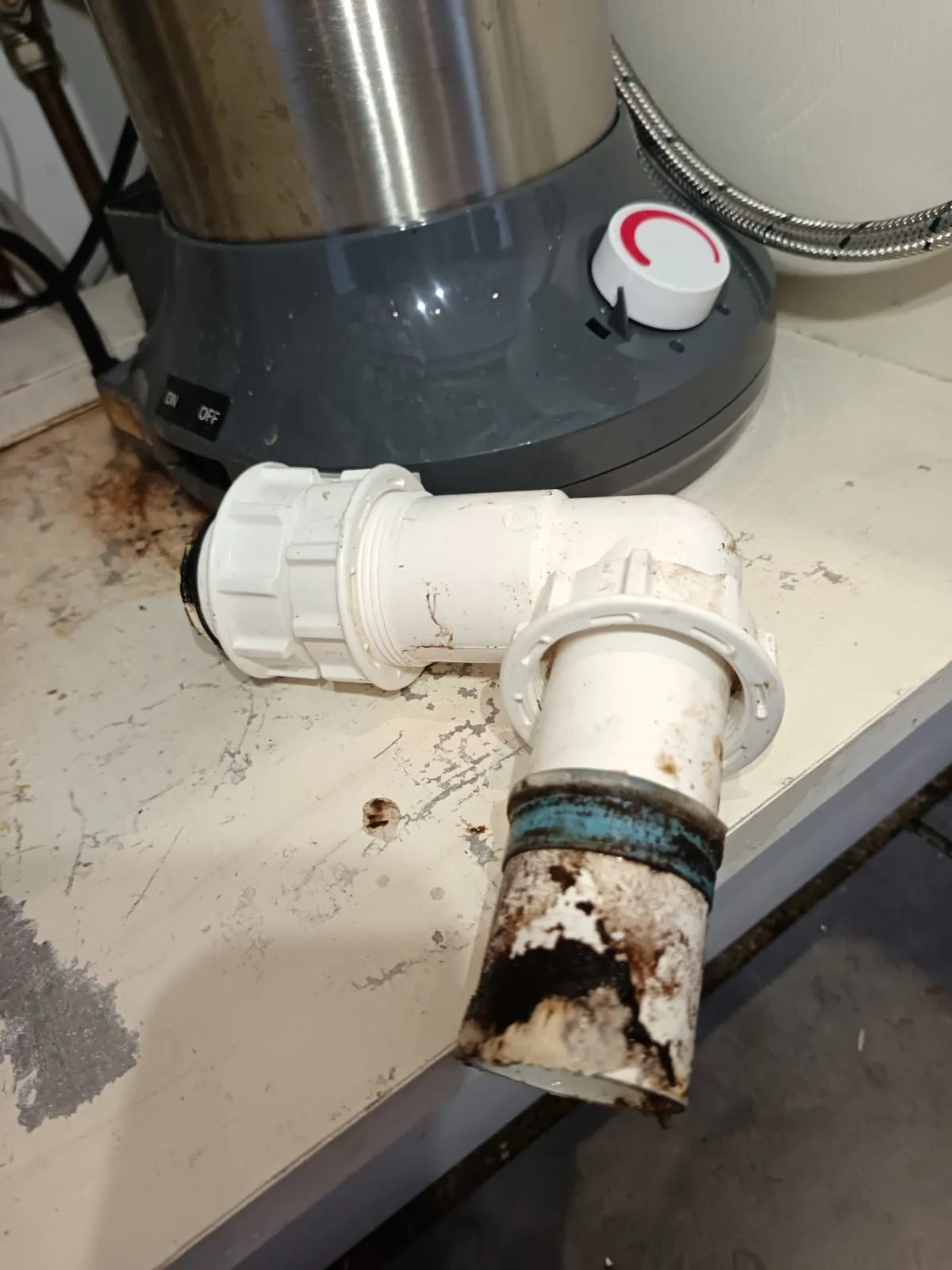
The Shared-Drain Trap: When It Stops Being Your Problem
This is the bit most guides skip, and it’s the bit that actually matters most. Under current UK rules, most properties built before 2011 share a lateral drain with their neighbours, and that shared pipe often connects to a public sewer beyond your boundary. Since a change in regulation back in October 2011, responsibility for those shared lateral drains transferred to the water companies — you’re no longer on the hook for a blockage that sits past the point where your pipe joins next door’s.
Picture it like this: your pipe runs from the house to a junction near the boundary wall. From your gully to that junction, it’s yours. From the junction onward, joining the street sewer, it’s the water company’s — even though it’s still technically “outside” and still under your garden in some layouts.
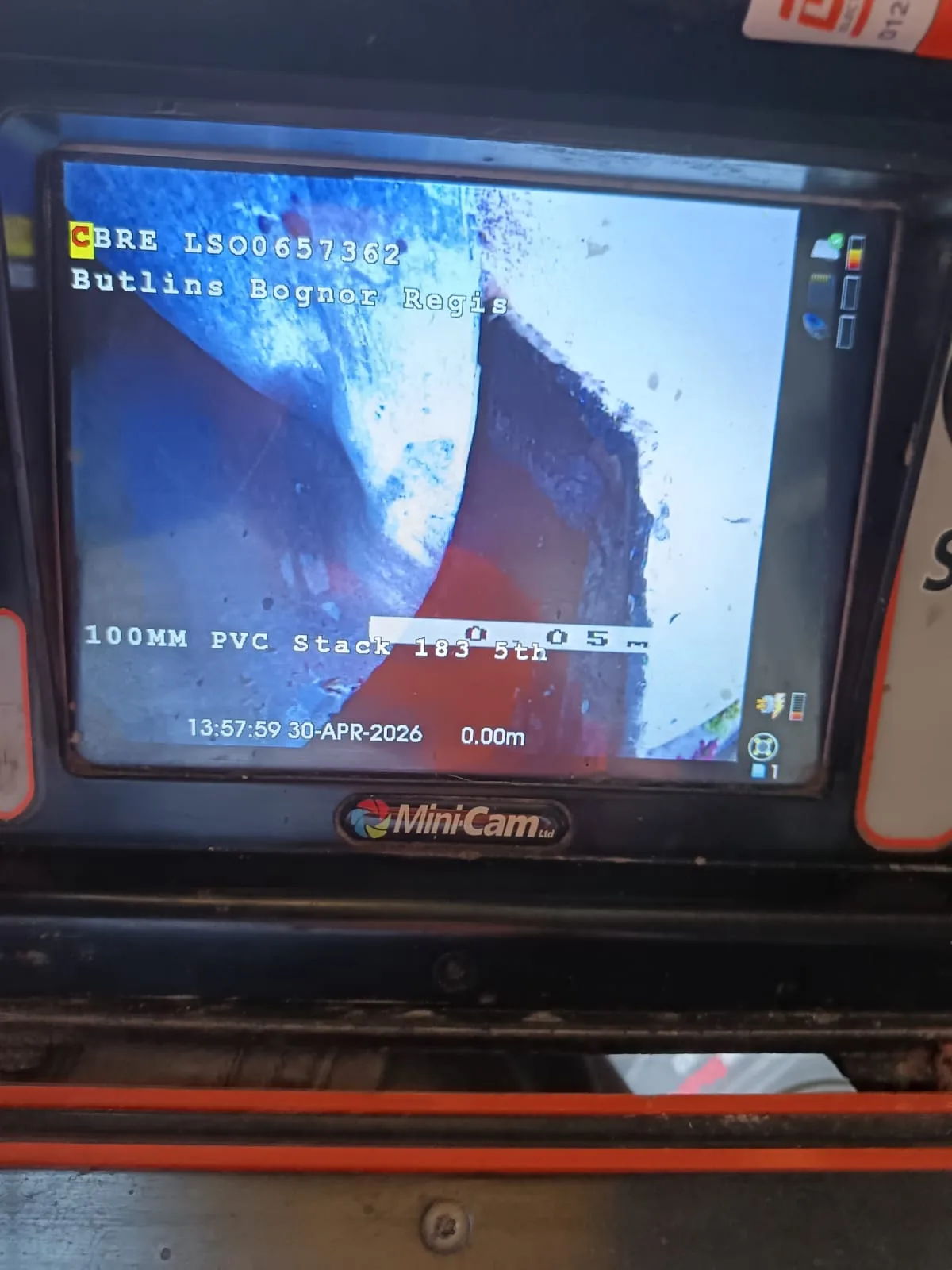
If you’ve rodded right up to your boundary and the water’s still backing up, or if a CCTV survey shows the blockage sitting well past your side, that’s a job for your water company, not a drainage firm you’re paying out of pocket. Water UK has clear guidance on who’s responsible for what, and it’s worth a five-minute read before you spend a Saturday rodding a pipe that was never yours to clear.
When to Stop and Call a Pro
There’s no medal for stubbornness here. Stop and get help if:
- You’ve rodded the full length of your own pipe and there’s still no flow.
- Water is backing up from multiple points — the gully, the toilet, and an internal sink all at once, which usually points to a blockage further down the shared system.
- You can smell sewage strongly, or there’s visible sewage pooling, which is a health hazard, not a weekend DIY job.
- The pipe run is under a driveway, patio, or extension, where digging or accessing it yourself risks damaging property.
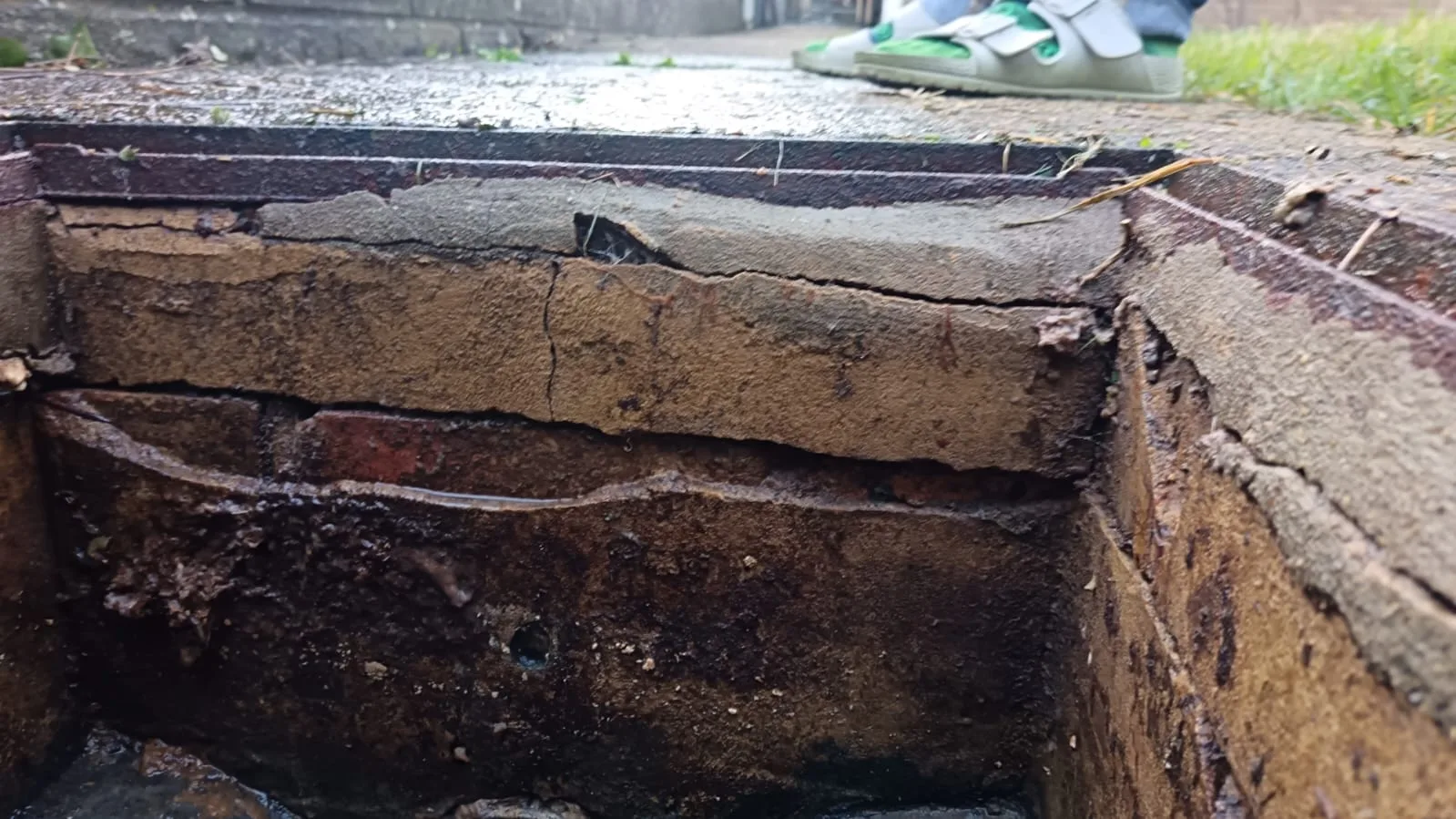
- You suspect a collapsed pipe or damaged chamber brickwork rather than a simple blockage — rodding won’t fix a broken pipe, it’ll just find it.
A second real example, this one from a job in Watford: a homeowner had rodded their outside gully for two weekends running with no luck, convinced it was tree roots. Turned out the chamber itself had cracked brickwork letting groundwater in, which was mimicking a blockage. No amount of rodding was ever going to fix that — it needed a CCTV survey and a repair. If you’re in that situation locally, our Watford drainage team can survey and quote on the spot.
If you’re unsure what a professional visit actually costs before you commit, our drain unblocking cost guide breaks down typical UK pricing so there’s no surprise on the invoice. And if you’d rather just get someone out today, contact us and we’ll talk you through it before anyone picks up a rod.
How to Prevent It Next Time
Autumn and winter are peak season for external blockages, and it’s almost always the same three culprits: leaves, fat, and root ingress.
- Fit a leaf guard over gullies near trees — a £5 mesh cover saves hours of digging out compacted leaf mulch later.
- Never pour fat or cooking oil down an outside drain even diluted with hot water. It sets solid the moment it cools, and combined with grit it forms a near-concrete plug.
- Check gullies monthly through autumn, not just when it floods. Thirty seconds with a torch beats a Sunday with drain rods.
- Get a CCTV survey every few years if you’re on an older property with clay pipework, since root ingress builds slowly and rodding alone won’t stop it recurring.
- Know your boundary so you’re not wasting money on call-outs for a shared drain that’s the water company’s job.
For fittings and pipework, always check they’re WRAS approved — the Water Regulations Advisory Scheme sets the standard that reputable engineers work to, and it matters for anything connecting to the water supply near your drainage run. The Chartered Institute of Plumbing and Heating Engineering (CIPHE) is also a solid resource if you want to check a contractor’s credentials before booking a repair.
If your gully’s already backing up and you’d rather not spend the weekend finding out whose pipe it is, ring our team and we’ll get an engineer out to check it properly. We cover jobs like this regularly across London and the Home Counties, including recent call-outs near Barnehurst and Teddington.
Frequently Asked Questions
How do I know if a blocked external drain is mine or the water company’s?
Check where your pipe joins the shared lateral drain, usually near your boundary. If a CCTV survey or your rodding shows the blockage sits beyond that junction, it’s the water company’s responsibility, not yours, under rules that came into force in October 2011.
What’s the best outdoor drain unblocker for tree root problems?
Rods with a corkscrew attachment can clear light root intrusion, but persistent roots usually need mechanical cutting via CCTV-guided equipment. A domestic outdoor drain unblocker bought off the shelf won’t touch established roots — that’s a job for a professional with the right tooling.
Can I use chemical drain cleaner on a blocked yard drain?
Sparingly, and only after mechanical clearing hasn’t worked. Chemical cleaners can damage older clay pipework and aren’t kind to garden plants nearby. Rodding and flushing with water clears most blocked yard drain cases without any chemicals at all.
If you’ve worked through every step here and the gully’s still backing up, don’t keep pouring money and Saturdays into it. Get in touch through our contact page and we’ll get an engineer out to your property, whether that’s a straightforward clear or a full CCTV survey to settle the boundary question once and for all.
Understanding how to unblock an outside drain early helps you budget and avoid bigger repair bills later.
